In today’s interconnected living spaces, managing a clutter of remote controls can feel like a juggling act. Imagine simplifying your entertainment setup, controlling your TV, soundbar, DVD player, and streaming box all from a single, intuitive device. That’s the promise of a GE universal remote, a staple in many homes for its reliability and broad compatibility. If you’ve just unboxed one or are looking to reconfigure your existing setup, mastering the art of programming a GE universal remote is your ticket to effortless control. This comprehensive guide will walk you through every step, ensuring you transform your remote from a simple gadget into the command center of your home entertainment.
Understanding GE Universal Remotes
|
Our Picks for the Best Universal Remote in 2026
As an Amazon Associate I earn from qualifying purchases.
|
||
| Num | Product | Action |
|---|---|---|
| 1 | TV Remote, XRT140R |

|
| 2 | Universal-TV-Remote-Control for Samsung, LG, Hisense, TCL, Sony, Vizio, Onn, Toshiba, Philips and More DVD, Blu ray Player, Soundbar Devices |
|
| 3 | Remote, Universal XRT140R for Vizio TV |
|
| 4 | GE Rechargeable TV Remote Control, Universal Remote Control, Backlit Buttons, Samsung TV Remote Control Replacement for Smart TVs, Apple TV, Sony, Roku Replacement Remote, LG TV, 4-Device, 80984 |
|
| 5 | Universal-TV-Remote-Control for Samsung/LG/Vizio/TCL/Hisense/Sony/Philips/Roku Smart TVs, for Insignia/Toshiba Smart TVs |
|
| 6 | BroadLink RM4 pro IR and RF Universal Remote, All in One Hub Code Learning Wi-Fi Remote Control for TV Air Conditioner STB Audio, Curtain Motor, Works with Alexa, Google Home, IFTTT |
|
| 7 | Universal-TV-Remote-Control Compatible with Samsung/LG/Vizio/Hisense/Sony/Philips/Onn/Sharp/RCA/Element/Westinghouse/Sanyo/Emerson TV and More Brand Smart TVs |
|
| 8 | SofaBaton X1S Universal Remote with Hub and App, All in One Smart Universal Remote Control with Customize Activities, Control Up to 60 IR/Bluetooth/WiFi Devices |
|
| 9 | 【Pack of 2】 New Universal Remote for All Samsung TV Remote, Replacement Compatible for All Samsung Smart TV, LED, LCD, HDTV, 3D, Series TV |
|
| 10 | (Pack of 3) Replacement Remote Only for Roku TV with Soft Silicone Protective Cover (Glow in The Dark), Universal Remote for TCL/Onn/Hisense/Sharp/Element/Philips Roku Smart TV (Elegant White) |
|
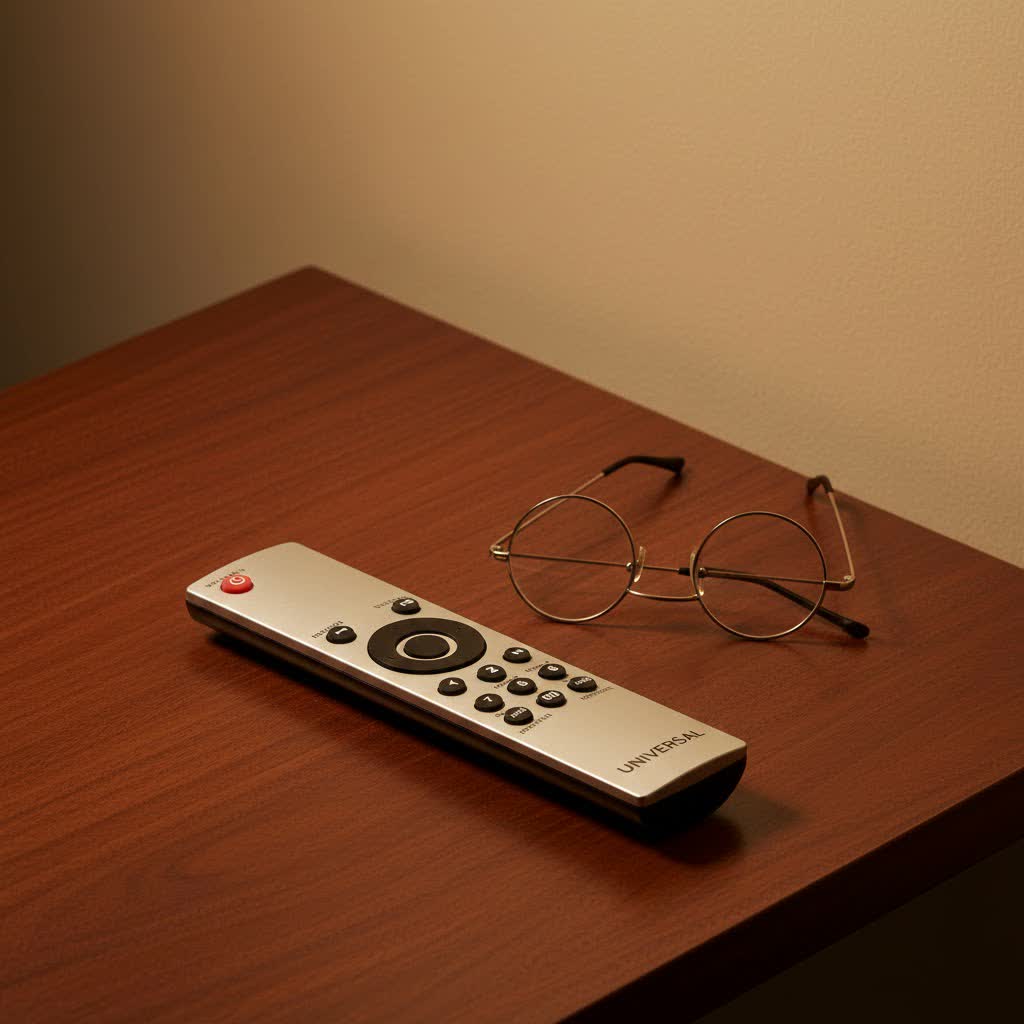
GE universal remotes are designed to consolidate control, eliminating the need for separate remotes for each electronic device. They come in various configurations, typically supporting 3, 4, 6, or even 8 devices, each assigned to a dedicated button like “TV,” “DVD,” “CBL” (Cable/Satellite), or “AUX.” These remotes communicate with your devices using infrared (IR) signals, relying on a library of stored codes to “speak the language” of different brands and models. Whether you have a newer model with advanced features or an older, more basic version, the core principles for programming remain largely consistent. You might also encounter different code list versions, often marked as CL3, CL4, CL5, or CL6 inside the battery compartment, which sometimes affects code compatibility.
How to Program Your GE Universal Remote
Before you dive into programming, a little preparation goes a long way. Always ensure your GE universal remote has fresh batteries. It’s also wise to have the device you intend to program (your TV, DVD player, etc.) turned on manually. The most crucial item on your checklist? Your remote’s code list. This vital document, usually found in your remote’s original packaging or manual, contains the specific 3, 4, or 5-digit codes for thousands of electronic brands. If you can’t find it, don’t fret; many codes are available online or sometimes printed inside the remote’s battery compartment.
There are generally three primary methods for programming a GE universal remote, each suited to different situations.
Method 1: Direct Code Entry (The Most Reliable Way)
This method is often the quickest and most reliable if you have the correct device code.
- Turn On Your Device: Manually power on the device you wish to control (e.g., your TV).
- Enter Setup Mode: Press and hold the “Setup” button on your GE remote until the red indicator light (usually near the power button) turns on and remains solid. Then, release the “Setup” button.
- Select Device Type: Press and release the device button corresponding to what you’re programming (e.g., “TV,” “DVD,” “CBL,” or “AUX”). The red light will blink once and then stay solid.
- Enter the Code: Using the number pad, enter the 3, 4, or 5-digit code for your device’s brand. You can typically find these codes in your remote’s manual, online, or sometimes beneath the battery cover.
- Expert Insight: “Finding the right code is half the battle. Always try the first code listed for your brand, but be prepared to cycle through others if it doesn’t work perfectly,” advises Eleanor Vance, a seasoned home entertainment technician.
- Confirm and Test: After entering the last digit, the red indicator light should turn off. Point the remote at your device and press the “Power” button. If the device turns off, congratulations! Your remote is programmed. If not, repeat the process from step 2, trying the next code listed for your brand.
Method 2: Auto Code Search (When Codes Are Missing or Don’t Work)
If you’ve lost your code list or direct code entry isn’t yielding results, the auto code search is your next best bet. This method automatically scans through a library of codes until it finds one that operates your device.
- Power On Your Device: Manually turn on the device you wish to program.
- Enter Setup Mode: Press and hold the “Setup” button until the red indicator light turns on and stays solid, then release it.
- Select Device Type: Press and release the device button for the type of device you’re programming (e.g., “TV,” “DVD”). The red light will blink once and remain on.
- Initiate Auto Search: Point the remote at the device and press the “Power” button once. The red light will blink roughly every 2 seconds, indicating it’s sending out codes. Keep the remote pointed directly at your device during this process.
- Wait for Device to Turn Off: The moment your device turns off, immediately press the “Enter” button (or “Stop” on some models) to lock in the code. If you wait too long, you might miss the correct code, and the remote will continue searching.
- Test Functionality: Turn your device back on and test the remote’s functions (e.g., volume, channel change). If everything works, you’re all set. If not, the auto search might have locked into a partial code. Repeat the process from step 2, and try to be quicker to press “Enter” when the device turns off.
Method 3: Manual Code Search (The “Trial and Error” Method)
This method is a more hands-on approach to scanning for codes, useful if auto search is proving difficult.
- Power On Your Device: Manually turn on the device you want to control.
- Enter Setup Mode: Press and hold the “Setup” button until the red indicator light stays on, then release it.
- Select Device Type: Press and release the device button (e.g., “TV,” “DVD”). The light will blink once and stay on.
- Begin Manual Scan: Point the remote at your device and press the “Power” button once. Then, repeatedly press the “Channel Up” button (or sometimes “Power” again, depending on the model) one press at a time, pausing briefly after each press. Each press sends a new code.
- Stop When Device Reacts: As soon as your device turns off, stop pressing “Channel Up.”
- Save the Code: Press the “Enter” button to save the code.
- Verify: Turn your device back on and test various functions of the remote. If it works, you’ve found the right code. If not, you may need to repeat the process, trying “Channel Down” or starting over if the initial code wasn’t perfect.
Troubleshooting Common GE Universal Remote Programming Issues
Even with the clearest instructions, sometimes your GE universal remote might not cooperate. Here are some common issues and their solutions:
-
My remote isn’t working after programming.
- Check Batteries: This is the most common culprit. Ensure they are fresh and correctly inserted.
- Re-enter the Code: Double-check your code list and try entering the code again carefully.
- Try Auto Code Search: If direct code entry failed, switch to the auto code search method.
- Confirm Compatibility: Ensure your specific GE remote model supports the device you’re trying to control. While most are broadly compatible, some older remotes may not work with very new or specialized equipment.
- Incorrect Device Mode: Make sure you’ve selected the correct device button (e.g., “TV” for your television) before trying to send commands. It’s an easy mistake to accidentally press the “CBL” button when you mean to control your TV.
- Power Cycle Device: Sometimes, the device itself might be temporarily unresponsive. Unplug it from the power for a minute or two, then plug it back in and try programming again.
-
Certain buttons aren’t working (e.g., menu, volume).
- This often indicates a “suboptimal” code was programmed. While the remote might control power and basic functions, it might lack full functionality. Retry programming using a different code from your list or use the auto code search method to find a more comprehensive code.
-
How do I factory reset my GE universal remote?
- A factory reset can clear all stored codes and settings, giving your remote a fresh start.
- Step 1: Press and hold the “Setup” button until the red indicator light turns solid.
- Step 2: Press the “Mute” button once.
- Step 3: Press the “0” key on the number pad. The red light should blink twice and turn off. Your remote is now reset, and you’ll need to reprogram all your devices.
-
Do I need to reprogram after changing batteries?
- No, most GE universal remotes are designed to retain their programmed codes even when you change the batteries. This memory feature saves you from having to reprogram every time you need to swap out power sources.
Tips for Optimizing Your Universal Remote Experience
To truly master your GE universal remote and enjoy seamless control, consider these expert tips:
- Keep Your Code List Handy: Store your remote’s manual or a printed list of codes in an accessible spot. Future reprogramming or adding new devices will be much easier.
- Consider Your Needs: When purchasing a GE universal remote, think about how many devices you actually need to control. While an 8-device remote offers maximum versatility, a 4-device model might be perfectly adequate and simpler for most users.
- Maintain Clear Line of Sight: Remember, GE universal remotes rely on infrared (IR) signals. Ensure there are no obstructions between your remote and the device you’re trying to control for optimal performance.
- Label Your AUX Button: If your remote has an “AUX” button, use it creatively! You can assign it to a sound system, a gaming console, or even certain smart home hubs, expanding the remote’s utility beyond standard entertainment components.
Frequently Asked Questions (FAQ)
Q: How do I find GE remote codes for my specific devices?
A: You can typically find GE remote codes in the manual that came with your universal remote, online on the GE or Jasco (GE’s licensing partner) websites, or sometimes printed inside the remote’s battery compartment. Always ensure you’re looking for codes compatible with your remote’s code list version (e.g., CL3, CL4, CL5).
Q: Can a GE universal remote control multiple devices simultaneously?
A: Yes, the primary benefit of a GE universal remote is its ability to control multiple devices. After programming each device to its respective button (TV, DVD, CBL, AUX), you simply press the corresponding device button on the remote to switch control between them.
Q: Why isn’t my GE remote working even after programming it with a code?
A: Common reasons include incorrect code entry, weak batteries, an incompatible device model, or a physical obstruction blocking the IR signal. If the initial code doesn’t fully work, try other codes for your device brand or use the auto code search method to find a more suitable one.
Q: Do GE universal remotes work with streaming devices like Roku or Fire Stick?
A: Many modern GE universal remotes are compatible with popular streaming devices. You’ll need to find the specific device codes for your streaming player, often listed under brands like Roku, Apple TV, or a generic “Streaming” category in your code list.
Q: What should I do if my remote’s specific buttons, like menu or input, don’t work after programming?
A: This usually means the programmed code is only partially compatible. Try a different code from your list for the same device brand, or utilize the auto code search method. The goal is to find a code that offers more comprehensive control, including navigation and menu functions.
Q: Is it possible to program a GE universal remote without codes?
A: Yes, you can program a GE universal remote without directly entering codes by using the “Auto Code Search” method. This process scans through codes automatically until your device responds, eliminating the need to look up specific numbers.
Take Command of Your Entertainment
Programming a GE universal remote is a straightforward process that significantly enhances your home entertainment experience. By understanding the different programming methods—direct code entry, auto code search, and manual search—and knowing how to troubleshoot common issues, you can easily consolidate your remote controls. With a little patience and these comprehensive instructions, you’ll gain seamless command over all your devices, reducing clutter and simplifying your digital life. So go ahead, program your GE universal remote today, and enjoy the harmony of a truly unified entertainment system!
