Do you ever feel like you need an instruction manual just to navigate the sea of remotes cluttering your coffee table? Picture this: you’re ready to unwind, cozy on the couch, but then the hunt begins. Which remote for the TV? Which for the soundbar? And where did the Philips TV remote even go? It’s a common dilemma, and that’s precisely where a Universal Philips Tv Remote steps in to save your sanity. Imagine controlling your entire home entertainment setup—your Philips TV, sound system, streaming device, and more—all from a single, sleek device. That’s the promise, and with the right knowledge, it’s easily achievable.
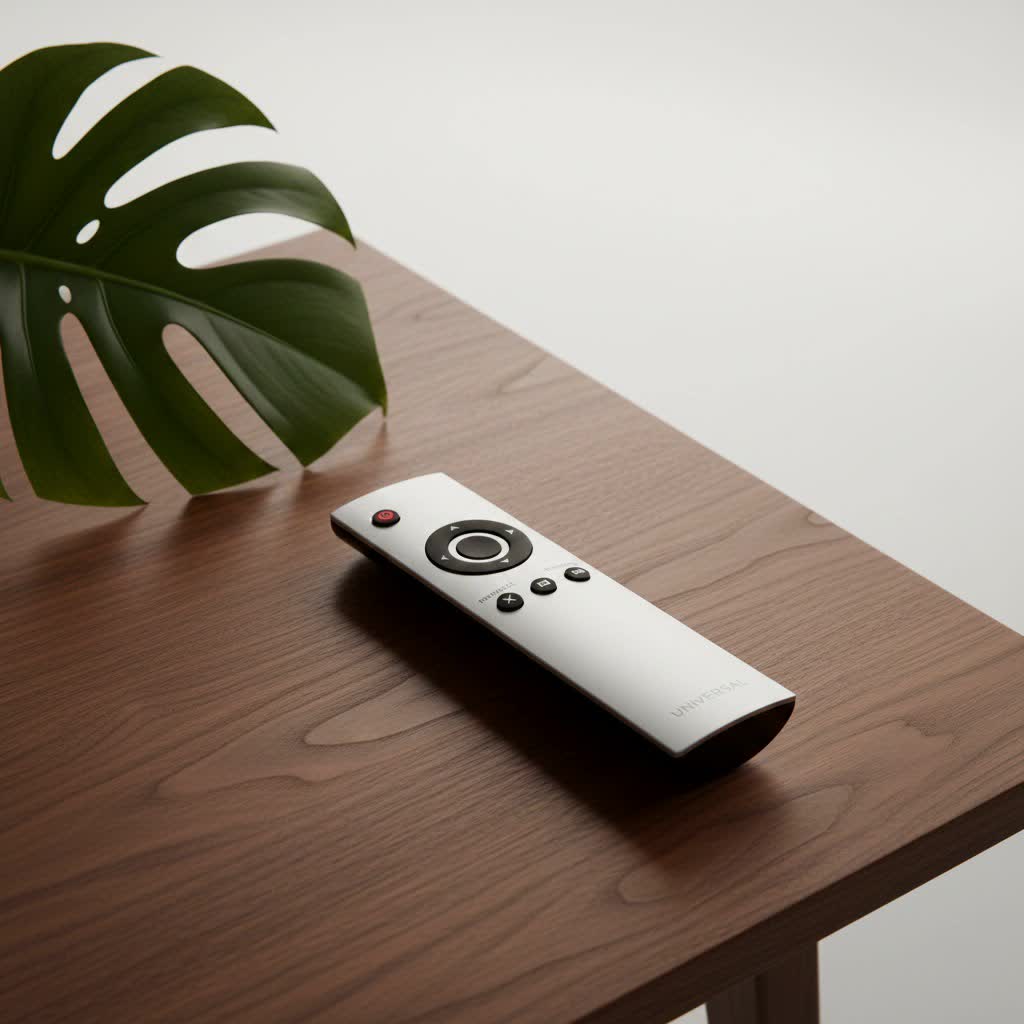
At LTVBC, we’ve spent over a decade helping users like you master their remote controls. From the simplest clickers to complex smart home systems, we believe your entertainment experience should be seamless. This comprehensive guide will transform you into a pro, ready to program, troubleshoot, and truly master your universal Philips TV remote, making remote juggling a thing of the past. Let’s dive in!
Different Types of Universal Remotes for Philips TVs
When it comes to universal remotes, it’s not a one-size-fits-all world. Various types offer different features and levels of control, making some a better fit for your Philips TV setup than others. Understanding these distinctions is crucial for making the right choice.
What are the main categories of universal remotes available?
Universal remotes generally fall into a few key categories: basic universal remotes, advanced universal remotes, and smart hub-based systems. Each offers a different approach to consolidating your control.
Basic Universal Remotes
|
Our Picks for the Best Universal Remote in 2026
As an Amazon Associate I earn from qualifying purchases.
|
||
| Num | Product | Action |
|---|---|---|
| 1 | Remote, Universal XRT140R for Vizio TV |

|
| 2 | TV Remote, XRT140R |
|
| 3 | Universal-TV-Remote-Control for Samsung, LG, Hisense, TCL, Sony, Vizio, Onn, Toshiba, Philips and More DVD, Blu ray Player, Soundbar Devices |
|
| 4 | SofaBaton X1S Universal Remote with Hub and App, All in One Smart Universal Remote Control with Customize Activities, Control Up to 60 IR/Bluetooth/WiFi Devices |
|
| 5 | (Pack of 3) Replacement Remote Only for Roku TV with Soft Silicone Protective Cover (Glow in The Dark), Universal Remote for TCL/Onn/Hisense/Sharp/Element/Philips Roku Smart TV (Elegant White) |
|
| 6 | Universal-TV-Remote-Control for Samsung/LG/Vizio/TCL/Hisense/Sony/Philips/Roku Smart TVs, for Insignia/Toshiba Smart TVs |
|
| 7 | GE Rechargeable TV Remote Control, Universal Remote Control, Backlit Buttons, Samsung TV Remote Control Replacement for Smart TVs, Apple TV, Sony, Roku Replacement Remote, LG TV, 4-Device, 80984 |
|
| 8 | BroadLink RM4 pro IR and RF Universal Remote, All in One Hub Code Learning Wi-Fi Remote Control for TV Air Conditioner STB Audio, Curtain Motor, Works with Alexa, Google Home, IFTTT |
|
| 9 | 【Pack of 2】 New Universal Remote for All Samsung TV Remote, Replacement Compatible for All Samsung Smart TV, LED, LCD, HDTV, 3D, Series TV |
|
| 10 | Universal-TV-Remote-Control Compatible with Samsung/LG/Vizio/Hisense/Sony/Philips/Onn/Sharp/RCA/Element/Westinghouse/Sanyo/Emerson TV and More Brand Smart TVs |
|
These are your entry-level options, often designed to control a limited number of devices (typically 3-4, like a TV, DVD player, and cable box). They usually rely on a library of pre-programmed codes for various brands, including Philips. While affordable, they might lack advanced features such as macros or smart home integration. A common Philips universal remote model like the Philips SRP9232D/27 often falls into this category, offering straightforward setup and reliable basic control.
Advanced Universal Remotes
Stepping up a notch, advanced universal remotes offer control over more devices (sometimes up to 15 or more) and come with additional functionalities. These can include:
- Macro capabilities: Program a single button to perform a sequence of commands (e.g., “Watch Movie” could turn on the TV, switch to the Blu-ray player, and adjust the sound system).
- Learning functions: Allow the remote to “learn” commands directly from your original remotes, perfect for devices with obscure codes.
- LCD or OLED screens: Provide a more intuitive interface for selecting devices and commands.
- Backlighting: Essential for use in dimly lit rooms.
Brands like SofaBaton often feature models with these enhanced capabilities, providing a more refined control experience for your Philips TV and other components.
Smart Hub-Based Systems
For the ultimate control and smart home integration, hub-based universal remote systems are the way to go. These systems consist of a central hub (which sends IR and/or RF signals) and a remote control or smartphone app.
- Broad device compatibility: Can control a vast array of IR, RF, Bluetooth, and Wi-Fi devices.
- Voice control: Integrate with smart assistants like Alexa or Google Assistant for hands-free operation.
- Smartphone app control: Turn your phone into a powerful universal remote.
- Activity-based control: Create “activities” like “Good Morning” that can turn on your Philips TV, dim the lights, and even brew coffee.
While Logitech Harmony remotes were once a dominant player in this space, other innovative brands continue to offer robust solutions for a truly integrated home entertainment and smart living experience.
How to Choose the Right Universal Remote for Your Philips TV
Choosing the perfect universal Philips TV remote isn’t just about finding one that works; it’s about finding one that genuinely enhances your daily entertainment. With so many options, how do you pinpoint the right fit?
What factors should I consider when selecting a universal remote for my Philips TV?
The key is to match the remote’s capabilities with your specific needs, the number of devices you own, and your desired level of convenience.
Device Compatibility
First and foremost, ensure the remote is compatible with your Philips TV and all other devices you intend to control (soundbar, Blu-ray player, cable box, streaming stick, etc.). Most universal remotes boast extensive code libraries, but it’s always wise to check the manufacturer’s website or the remote’s manual for specific brand support. Some Philips-branded universal remotes are even pre-programmed for immediate use with popular TV brands and streaming boxes, simplifying the initial setup.
Programming Methods
Consider how you prefer to set up your remote. Do you like the precision of direct code entry, or do you prefer the remote to do the searching for you?
- Direct Code Entry: You input a specific numerical code for each device. This is often the fastest method if you have the codes readily available.
- Auto Code Search: The remote cycles through its code library until it finds one that works for your device. This can be time-consuming but is invaluable if you’ve lost your code list.
- Learning Function: The remote “learns” commands by receiving signals directly from your original remotes. This is excellent for unique or obscure devices.
Many universal Philips TV remotes offer a combination of these methods, providing flexibility.
Features and Functions
Think about what features would genuinely improve your experience.
- Number of Devices: How many devices do you need to control? Basic remotes handle 3-4, while advanced ones can manage 8 or more.
- Backlighting: Crucial for movie nights or dark rooms.
- Macro Capabilities: Simplify complex tasks with one-touch “activities.”
- Ergonomics: A comfortable grip and well-placed buttons make a big difference.
- Smart Home Integration: If you have smart lights or thermostats, a hub-based remote can unify their control.
- Voice Control: Convenient for changing channels or adjusting volume without lifting a finger.
Budget
Universal remotes range from under $10 for basic models to several hundred dollars for high-end smart hubs. Determine your budget, but remember that investing a little more often leads to greater convenience and longevity. As veteran universal remote expert, Alex “Tech Whisperer” Chen from LTVBC, often says, “The best universal remote isn’t the most expensive, but the one that disappears into your routine, making control effortless and almost invisible. It’s about getting more enjoyment, not just another gadget.”
Step-by-Step Guide to Programming Your Universal Philips TV Remote
So, you’ve got your universal Philips TV remote in hand, ready to conquer the chaos. Now, let’s get it talking to your Philips TV and other devices. The process is generally straightforward, but knowing the common methods will make it a breeze.
How do I program my universal Philips TV remote to work with my television?
Most Philips universal remotes offer two primary programming methods: direct code entry and auto code search. We’ll walk through both.
Method 1: Direct Code Entry (Recommended if you have the codes)
This method is usually quicker if you have the specific 3, 4, or 5-digit code for your Philips TV (or other device).
- Turn On Your Device: Manually power on your Philips TV (or the device you want to program) using its own power button or original remote.
- Enter Programming Mode: On your universal Philips TV remote, press and hold the
SETUPbutton (or sometimesCODE SEARCH) until the red LED light at the top of the remote turns on and stays lit. This usually takes about 3-5 seconds. - Select Device Type: Press and release the device button you wish to program (e.g.,
TV,DVD,CBL,SAT,AUX). The red light will blink once and then remain solid. - Enter the Code: Using the number keys on your remote, enter the 3, 4, or 5-digit code for your Philips TV. (You can often find these codes in your remote’s manual, on the Philips website, or through a quick online search for “Philips TV remote codes”). As you enter each digit, the red light might blink.
- Confirm and Test: If the code is correct, the red light will usually turn off. Point the remote at your Philips TV and try basic functions like
POWER,VOLUME UP/DOWN, andCHANNEL UP/DOWN.- If it works: Great! Press the device button again (e.g.,
TV) to save the code and exit programming mode. - If it doesn’t work: The light might flash and stay on, or simply not respond. Repeat steps 2-5, trying the next code listed for Philips TVs.
- If it works: Great! Press the device button again (e.g.,
Method 2: Auto Code Search (When you don’t have the codes)
If you can’t find the codes, or if direct entry doesn’t work, auto code search is your best friend.
- Turn On Your Device: Manually power on your Philips TV (or the device you want to program).
- Enter Programming Mode: Press and hold the
SETUPbutton until the red LED light at the top of the remote turns on and stays lit. - Select Device Type: Press and release the device button you wish to program (e.g.,
TV). The red light will blink once and then remain solid. - Initiate Code Search: Point the remote at your Philips TV and repeatedly press the
POWERbutton (or sometimes theCH+orPLAYbutton, depending on your remote model), slowly and one press at a time. Each press sends a different code.- Watch Your TV: Keep an eye on your Philips TV. When it turns off, or when you observe the power cycling on/off, you’ve found a working code.
- Save the Code: Immediately press the same device button you selected in step 3 (e.g.,
TV) to save the code. The red light should turn off, indicating the code is saved. - Test Functions: Try basic functions. If they all work, you’re good to go! If some buttons don’t work, you might need to try the auto-search again, as the remote might have stopped on a partially compatible code.
Pro Tip: When changing batteries in some Philips universal remotes, aim to do it quickly (within a minute). Some older models might lose their stored codes if left without power for too long!
Common Troubleshooting Tips for Your Universal Philips TV Remote
Even the most reliable universal remotes can sometimes act up. When your universal Philips TV remote isn’t cooperating, a little troubleshooting can often solve the problem without needing a replacement.
What should I do if my universal Philips TV remote stops working or isn’t responding correctly?
Most issues can be resolved with a few simple checks, from batteries to signal paths, or even a quick reset.
1. Check the Batteries (The Obvious, But Often Overlooked)
- Replace Them: This is the number one cause of remote control issues. Even if you think they’re fine, try a fresh set of high-quality alkaline batteries. Avoid mixing old and new batteries.
- Correct Orientation: Double-check that the positive (+) and negative (-) ends are inserted correctly.
- Battery Compartment: Ensure there’s no corrosion in the battery compartment.
2. Remove Obstructions and Check Line of Sight
- Clear Path: Universal remotes typically use infrared (IR) signals, which require a clear line of sight between the remote’s emitter and your Philips TV’s IR sensor. Remove any objects blocking this path.
- IR Sensor Location: The IR sensor on most Philips TVs is usually located on the bottom front edge or corner. Make sure it’s not dusty or covered.
3. Perform an Infrared (IR) Signal Test
- Smartphone Camera Test: Grab your smartphone. Open its camera app. Point the front end of your universal remote (where the IR emitter is) at your phone’s camera lens. Press any button on the remote.
- What to Look For: If the remote is sending a signal, you should see a faint purple or white light flashing on your phone’s screen through the camera viewfinder.
- If you see light: The remote’s emitter is working. The issue might be with the TV’s sensor or the programming.
- If you see no light: The remote itself is likely faulty, or the batteries are truly dead. (Note: Some modern smartphone cameras have IR filters, so this test might not work on all phones.)
4. Hard Reset Your TV and Remote
- TV Power Cycle: Unplug your Philips TV from the wall outlet. Wait at least 60 seconds (yes, the full minute!). Plug it back in and turn it on. This can clear temporary glitches.
- Remote Reset: For some universal Philips remotes, removing the batteries and then pressing every button on the remote a few times (to drain any residual power) can perform a soft reset. Reinsert the batteries and try programming again. Some advanced remotes might have a specific factory reset procedure (check your manual).
5. Reprogram the Remote
- If your remote suddenly stops working after a power outage or battery change, it might have lost its programming. Go back to the “Step-by-Step Guide to Programming” section and try programming your Philips TV again, using either direct code entry or auto code search.
6. Check for Interference
- Other electronic devices, especially those emitting strong signals like wireless routers, baby monitors, or fluorescent lights, can sometimes interfere with IR signals. Try moving or temporarily turning off such devices to see if it resolves the issue.
Top Universal Remote Brands and Models for Philips TVs
Choosing a universal remote isn’t just about functionality; it’s also about finding a brand that offers reliability, ease of use, and good support. For Philips TV owners, several brands stand out for their compatibility and performance.
Which universal remote brands are highly recommended for Philips TVs?
While many universal remotes will work with Philips TVs, some brands consistently deliver a superior experience through broad compatibility, intuitive design, and advanced features.
Philips Universal Remotes
It might seem obvious, but Philips itself offers universal remotes designed to work seamlessly with their own TVs and other devices.
- Why they’re great: Often pre-programmed for Philips TVs, simplifying setup. They are also known for their “Simple Setup” technology which streamlines the initial pairing process.
- Popular models: The Philips SRP5107 or similar models are often lauded for their value and ability to control multiple devices with minimal fuss. Many budget-friendly Philips universal remotes are highly rated for their out-of-the-box performance, proving that you don’t always need to spend a lot for effective control.
SofaBaton
SofaBaton has emerged as a strong contender in the universal remote market, especially for users looking for more advanced control.
- Why they’re great: Known for their sleek design, OLED/LCD screens, extensive device libraries, and often, smartphone companion apps. Models like the SofaBaton X1S or U2 offer robust macro capabilities and learning functions, making them excellent for complex home theater setups.
- Key features: Support for a huge number of devices (over 500,000+), customizable buttons, and even voice control integration with smart assistants.
Inteset Universal Remote
For those seeking a straightforward yet powerful universal remote, Inteset is a brand worth considering.
- Why they’re great: Often praised for their solid build quality and ease of programming, providing excellent value. They focus on delivering essential universal remote functions reliably.
- Key features: Good for consolidating multiple remotes, often with pre-programmed codes for popular devices and the ability to learn commands.
GE Universal Remotes
GE universal remotes are widely available and offer a budget-friendly solution for controlling your Philips TV and other devices.
- Why they’re great: Very accessible and often come with intuitive programming methods. They are a popular choice for basic universal control needs.
- Key features: Typically control 3-4 devices, often including auto code search and direct code entry. Many users find them easy to set up for common TV brands.
Ultimately, the “best” universal Philips TV remote depends on your individual needs. If you’re looking for basic, reliable control at a great price, a Philips-branded or GE remote might be perfect. If you crave advanced features, smart home integration, and a premium feel, exploring options from SofaBaton could be your next step.
Frequently Asked Questions about Universal Philips TV Remotes
Got more questions about your universal Philips TV remote? We’ve got answers!
Q1: Can a universal remote control a Philips Smart TV’s smart features?
A: Yes, many advanced universal remotes can control a Philips Smart TV’s smart features, especially if they have learning capabilities or are hub-based systems with app integration. Basic universal remotes might only offer fundamental TV functions like power, volume, and channel.
Q2: Where can I find the most up-to-date universal remote codes for my Philips TV?
A: The best places to find codes are typically in the user manual that came with your universal remote, on the universal remote manufacturer’s official website, or on the Philips support website if you have a Philips-branded universal remote. Online search tools from reputable remote control companies also often list extensive code databases.
Q3: What should I do if my universal remote code isn’t working for my Philips TV?
A: If a code isn’t working, first ensure you’re entering it correctly. If it still fails, try the next code listed for Philips TVs. If direct code entry proves unsuccessful, use the auto code search method, which allows the remote to scan for a compatible code automatically.
Q4: My universal remote programmed successfully, but some buttons don’t work. What’s wrong?
A: If some buttons aren’t responding, it often means the remote found a partially compatible code during the auto search. You should try the auto code search again, or cycle through other codes for your Philips TV manually. For specific problematic buttons, some advanced remotes offer a “learning” function to teach individual commands from your original remote.
Q5: How many devices can a single universal Philips TV remote control?
A: The number of devices a universal remote can control varies widely. Basic models typically handle 3 to 4 devices, while more advanced or hub-based systems can manage 8, 15, or even an unlimited number of devices through software. Always check the specifications of your particular universal Philips TV remote.
Q6: Can I use my smartphone as a universal Philips TV remote?
A: Yes, many modern Philips Smart TVs have companion apps that allow you to use your smartphone as a remote. Additionally, some smart hub-based universal remote systems (like Broadlink) come with smartphone apps that can control your Philips TV and other devices via Wi-Fi or Bluetooth, effectively turning your phone into a powerful universal remote.
Ready to Take Control?
Navigating the world of home entertainment can feel like a maze, but your universal Philips TV remote is the key to simplifying it all. By understanding the different types of remotes, knowing how to choose the right one, mastering the programming methods, and having a few troubleshooting tricks up your sleeve, you’re now equipped to take complete control of your viewing experience.
No more frantic searching or juggling multiple clickers. With a well-programmed universal Philips TV remote, you unlock a streamlined, more enjoyable way to interact with your devices. We encourage you to try out these tips, experiment with the programming methods, and find the perfect harmony for your home entertainment. Share your experiences, tell us your favorite universal remote model, and let’s continue to make technology work effortlessly for us. After all, life’s too short for remote chaos!
