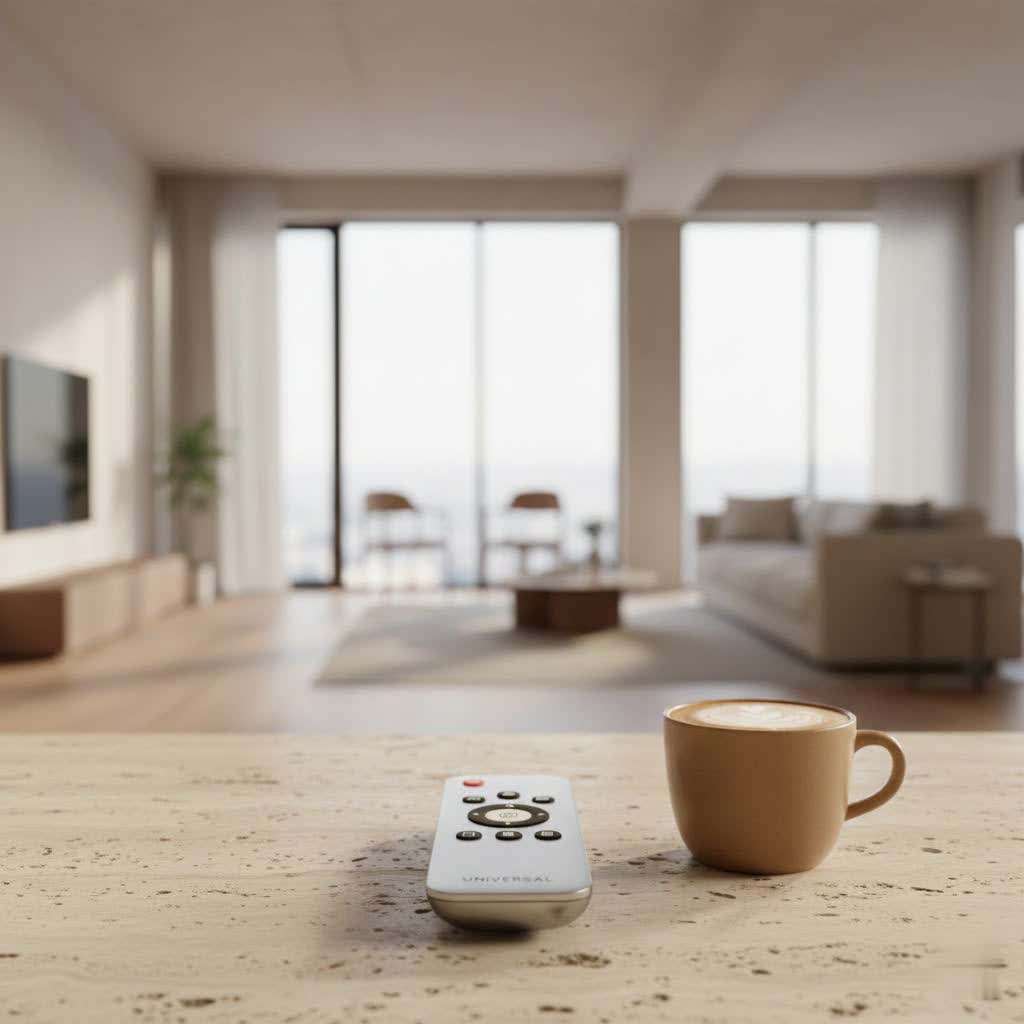
Are you tired of the never-ending remote control juggle, a perplexing pile of plastic cluttering your coffee table? Imagine a world where one sleek device effortlessly commands your TV, sound system, streaming box, and even smart home gadgets. That’s the promise of a Tv Remote Universal Control, and as a seasoned expert at LTVBC.com, I’m here to guide you through everything you need to know to achieve ultimate home entertainment harmony. This isn’t just about changing channels; it’s about reclaiming control, simplifying your life, and enhancing your viewing experience.
Different Types of Universal Remotes
Universal remotes have evolved significantly, moving beyond simple TV control to encompass a vast array of devices. Understanding the different types is the first step in finding your perfect match.
Basic Infrared (IR) Universal Remotes
|
Our Picks for the Best Universal Remote in 2026
As an Amazon Associate I earn from qualifying purchases.
|
||
| Num | Product | Action |
|---|---|---|
| 1 | (Pack of 3) Replacement Remote Only for Roku TV with Soft Silicone Protective Cover (Glow in The Dark), Universal Remote for TCL/Onn/Hisense/Sharp/Element/Philips Roku Smart TV (Elegant White) |

|
| 2 | TV Remote, XRT140R |
|
| 3 | Universal-TV-Remote-Control for Samsung, LG, Hisense, TCL, Sony, Vizio, Onn, Toshiba, Philips and More DVD, Blu ray Player, Soundbar Devices |
|
| 4 | GE Rechargeable TV Remote Control, Universal Remote Control, Backlit Buttons, Samsung TV Remote Control Replacement for Smart TVs, Apple TV, Sony, Roku Replacement Remote, LG TV, 4-Device, 80984 |
|
| 5 | BroadLink RM4 pro IR and RF Universal Remote, All in One Hub Code Learning Wi-Fi Remote Control for TV Air Conditioner STB Audio, Curtain Motor, Works with Alexa, Google Home, IFTTT |
|
| 6 | 【Pack of 2】 New Universal Remote for All Samsung TV Remote, Replacement Compatible for All Samsung Smart TV, LED, LCD, HDTV, 3D, Series TV |
|
| 7 | Remote, Universal XRT140R for Vizio TV |
|
| 8 | Universal-TV-Remote-Control for Samsung/LG/Vizio/TCL/Hisense/Sony/Philips/Roku Smart TVs, for Insignia/Toshiba Smart TVs |
|
| 9 | SofaBaton X1S Universal Remote with Hub and App, All in One Smart Universal Remote Control with Customize Activities, Control Up to 60 IR/Bluetooth/WiFi Devices |
|
| 10 | Universal-TV-Remote-Control Compatible with Samsung/LG/Vizio/Hisense/Sony/Philips/Onn/Sharp/RCA/Element/Westinghouse/Sanyo/Emerson TV and More Brand Smart TVs |
|
What are basic IR universal remotes? These are your entry-level, straightforward options, typically relying on infrared signals to communicate with devices. They usually come pre-programmed with codes for a wide range of popular brands and often manage 3-5 devices. They are budget-friendly and simple, making them a great choice for consolidating basic TV, DVD, and cable box functions.
Learning Remotes
How do learning remotes differ? A step up from basic IR remotes, learning remotes possess the ability to “learn” infrared signals directly from your original remotes. This feature is incredibly useful for capturing unique or less common functions that might not be in the universal remote’s pre-programmed database. It adds a layer of customization and ensures you don’t miss out on any critical controls.
Advanced and Smart Universal Remotes
What defines advanced and smart universal remotes? These are the powerhouses of multi-device control. Beyond IR, they often incorporate Radio Frequency (RF), Bluetooth, and Wi-Fi connectivity, allowing them to control devices even through walls or within cabinets. Many feature touchscreens, voice control integration (with assistants like Alexa or Google Assistant), macro programming (to execute a sequence of commands with a single button press), and extensive smart home capabilities. They typically offer app-based setup for a more streamlined experience and can manage dozens of devices.
As Sarah Chen, a leading voice in home automation at LTVBC.com, often remarks, “The evolution of the universal remote is a microcosm of smart home technology itself. It’s no longer just about controlling your TV; it’s about creating an intuitive ecosystem where all your devices work in concert, responding to your every command, whether by touch or voice.”
Specialized and Streaming-Focused Remotes
Are there remotes specifically for streaming? Yes, some universal remotes are designed with a particular emphasis on streaming devices like Roku, Apple TV, or Amazon Fire TV. These might include dedicated streaming buttons, RF capabilities to bypass line-of-sight issues, or even built-in slots to house smaller streaming remotes, offering a tailored solution for your digital entertainment hub.
How to Choose the Right Universal Remote
Selecting the best tv remote universal control requires a thoughtful assessment of your specific needs and existing entertainment setup.
Compatibility is Key
How do I ensure compatibility? This is the most critical factor. Before purchasing, make a list of all the devices you intend to control, including their brands and models. Verify that the universal remote supports all of them. Check the remote’s connectivity types – if your soundbar uses Bluetooth, ensure your universal remote supports Bluetooth. If you have hidden components, an RF-capable remote might be essential.
Number of Devices You Need to Control
How many devices can a universal remote manage? Basic remotes typically handle 3-5 devices, while advanced models can command 15 or more, with some premium options controlling up to 60. Count your current devices and consider any future additions.
Essential Features to Look For
What features should I prioritize?
- Backlit Buttons: Indispensable for navigating in dimly lit rooms.
- Voice Control: Convenient for hands-free operation and searching for content.
- Touchscreen vs. Physical Buttons: A matter of personal preference. Touchscreens offer flexibility; physical buttons provide tactile feedback.
- Macros and Activity Keys: These features allow you to program a series of actions (e.g., “Watch Movie” could turn on the TV, soundbar, and Blu-ray player, then switch to the correct inputs) with a single button press, simplifying complex tasks.
- App-Based Setup: Many modern universal remotes offer smartphone apps for easier setup and customization.
- Smart Home Integration: If you have smart lights, thermostats, or other smart devices, a universal remote that integrates with your smart home ecosystem can offer centralized control.
Ease of Setup and Programming
How easy is it to set up a universal remote? Some remotes are more user-friendly than others. If you prefer a plug-and-play experience, look for remotes with intuitive app-based setups or robust auto-code search functions. Others require manual code entry, which can be more involved.
Ergonomics and Design
Does design matter? Absolutely. A universal remote should feel comfortable in your hand, with buttons logically laid out and easily accessible. Consider the overall size and weight for comfortable, prolonged use.
Budget Considerations
What’s the typical price range? Prices vary widely, from under $20 for basic models to several hundred dollars for high-end smart remotes. Determine what features are essential for you and set a budget accordingly.
Programming Your Universal Remote
The core functionality of any tv remote universal control lies in its programming. There are a few primary methods, each with its own steps.
Direct Code Entry
How do I use direct code entry? This is the most common method and involves inputting a specific numerical code corresponding to your device’s brand and model.
- Turn on your device: Ensure the device you want to control (e.g., your TV) is powered on.
- Locate the code: Find the programming codes for your device in the universal remote’s manual or on the manufacturer’s website.
- Enter programming mode: Typically, you’ll press and hold a “Setup” button or a specific device button (like “TV”) until the remote’s LED light illuminates or blinks.
- Input the code: Enter the 4 or 5-digit code using the numeric keypad. The LED light should usually blink twice or turn off, indicating successful entry.
- Test the remote: Point the remote at your device and try basic functions like power, volume, or channel change. If it works, you’re all set! If not, try the next code on the list.
Auto Code Search
What if I don’t have a code? The auto code search function is your best friend when you can’t find specific codes or prefer not to manually enter them.
- Turn on your device: Make sure the device is on.
- Enter programming mode: Press and hold the “Setup” button (or device button) until the LED light illuminates.
- Initiate search: Press a designated “Power” or “Scan” button. The remote will begin transmitting a series of codes.
- Wait for response: Point the remote at your device and wait for the device to turn off.
- Lock the code: As soon as your device turns off, immediately press “Enter,” “OK,” or “Stop” on your universal remote to lock in the correct code.
- Test and save: Turn your device back on and test all functions. If successful, the code is saved.
Learning Function
How does a learning remote “learn”? For universal remotes with a learning feature, you’ll typically place your original remote and the universal remote head-to-head. You then select a button on the universal remote and press the corresponding button on the original remote. The universal remote “learns” and stores the IR signal, allowing it to mimic the original remote’s function. This is particularly useful for unique or obscure functions that aren’t typically covered by pre-programmed codes.
Common Troubleshooting Tips for Universal Remotes
Even the most advanced tv remote universal control can encounter hiccups. Don’t let minor issues derail your entertainment. Here are some common problems and their quick fixes.
Check and Replace Batteries
Why is my remote unresponsive? The most frequent culprit for a non-responsive or intermittently working remote is low or dead batteries.
- Fix: Always start by replacing old batteries with fresh, high-quality alkaline ones. Ensure they are inserted with correct polarity and make firm contact with the terminals.
Re-Check Programming and Device Codes
My remote only controls basic functions. This often indicates an incorrect or partially programmed device code.
- Fix: Re-program the remote, meticulously following the direct code entry or auto code search steps. Double-check your device’s brand codes, trying alternative codes if the first one doesn’t work.
Clear Line of Sight and Signal Interference
Why doesn’t my remote work from a distance? Most universal remotes rely on infrared (IR) signals, which require a clear line of sight to the device’s IR sensor.
- Fix: Ensure there are no physical obstructions (furniture, plants, other electronics) between the remote and your device. Bright sunlight or certain fluorescent lights can also interfere with IR signals; try operating the remote in different lighting conditions or angles.
Clean the Remote and Device Sensor
Are dirty components an issue? Dust and grime can accumulate on remote buttons and device IR sensors, impeding performance.
- Fix: Gently clean the remote’s buttons and the device’s IR sensor with a soft, dry, lint-free cloth. You can also inspect the battery contacts for any corrosion and clean them carefully.
Resetting the Universal Remote
What if my remote is glitching? A factory reset can often resolve unexplained glitches or unresponsive behavior.
- Fix: Remove the batteries from your universal remote. Press and hold any button (often the “Power” button) for 15-30 seconds to discharge any residual power. Then, reinsert the batteries and attempt to reprogram. (Note: Resetting will erase all programmed codes, requiring a full re-setup.)
“Patience is paramount in troubleshooting,” advises Mark Jensen, our lead technical support specialist at LTVBC.com. “Often, it’s a simple fix, but a systematic approach, starting with the batteries and working your way through programming and line-of-sight, will save you a lot of frustration.”
Test the IR Signal with a Smartphone Camera
How do I know if the remote is sending a signal? Many smartphone cameras can detect IR light.
- Fix: Open your smartphone’s camera app. Point the front of your universal remote at the camera lens. Press any button on the remote. If you see a faint light (usually purple or white) emanating from the remote’s emitter on your phone’s screen, the IR emitter is working. If not, the remote itself might be faulty.
Top Universal Remote Brands and Models
As a leading resource for tv remote universal control information, LTVBC.com stays abreast of the best options available. While the market constantly evolves, certain brands consistently deliver quality and innovation.
Logitech Harmony (Legacy Gold Standard)
Though Logitech discontinued manufacturing new Harmony remotes, they remain a benchmark. Models like the Logitech Harmony Elite were renowned for their extensive device compatibility, advanced customization, intuitive app-based setup, touchscreen displays, and deep smart home integration. If you can find a supported used model, they offer unparalleled control, though they can be expensive.
SofaBaton (Modern Innovator)
SofaBaton has emerged as a strong contender in the advanced universal remote space.
- SofaBaton X2: This premium model boasts a sleek design, an integrated touchscreen, and offers a highly polished user experience, albeit at a higher price point.
- SofaBaton X1S: Capable of controlling up to 60 devices, the X1S is praised for its robust programming options and compatibility with voice assistants like Alexa and Google Assistant, making it ideal for complex setups.
- SofaBaton U2: A more budget-friendly option, the U2 controls up to 15 devices. While its programming might be slightly less intuitive than its siblings, it delivers solid multi-device control for its price.
GE Universal Remotes (Reliable & Budget-Friendly)
GE universal remotes are a staple for those seeking an affordable and straightforward solution. Models like the GE 4-Device 48844 are widely compatible and easy to program via direct code entry. They might lack advanced features like macros or extensive smart home integration, but they excel at consolidating basic TV, DVD, and cable box functions without fuss, offering great value.
Other Notable Mentions
- Inteset: Known for strong integration with streaming devices.
- Philips: Offers a range of universal remotes, including some specialized for Fire TV and Roku streaming.
- RCA & Acoo: Provide basic, user-friendly options for general TV control, focusing on simplicity and ease of setup.
Elevate Your Entertainment Experience
A well-chosen and properly configured tv remote universal control can transform your home entertainment. It’s more than just convenience; it’s about simplifying technology, reducing clutter, and creating a more enjoyable and intuitive way to interact with your devices. From basic models that bring order to your living room to advanced smart remotes that command your entire home, there’s a perfect universal remote out there for everyone.
Don’t settle for the chaos of multiple remotes. Take control, streamline your setup, and rediscover the joy of seamless entertainment. Explore the possibilities, choose wisely, and make your universal remote the true master of your domain.
